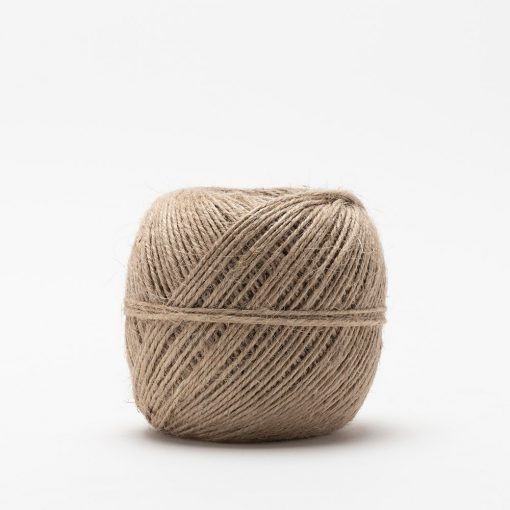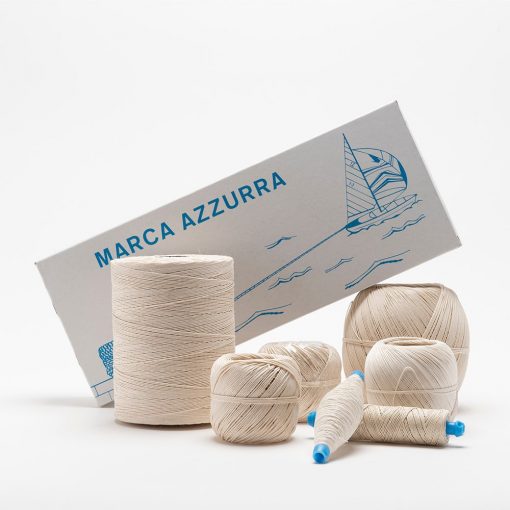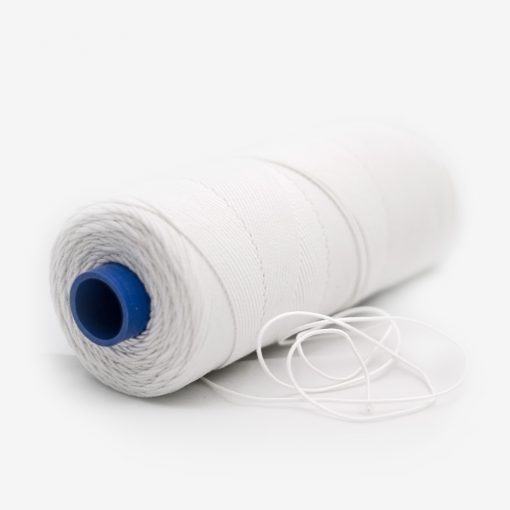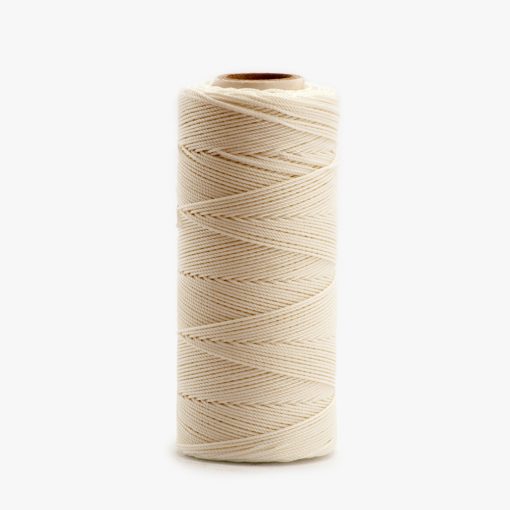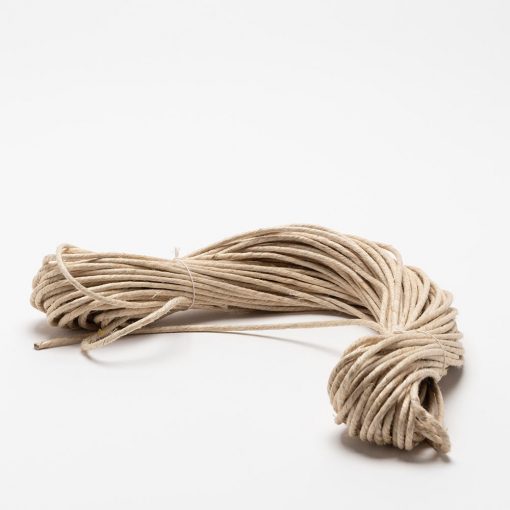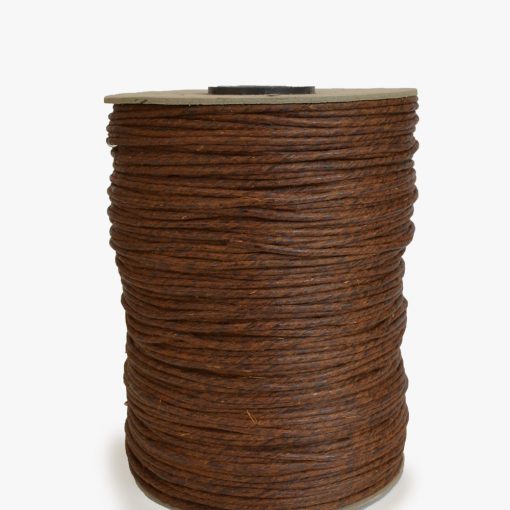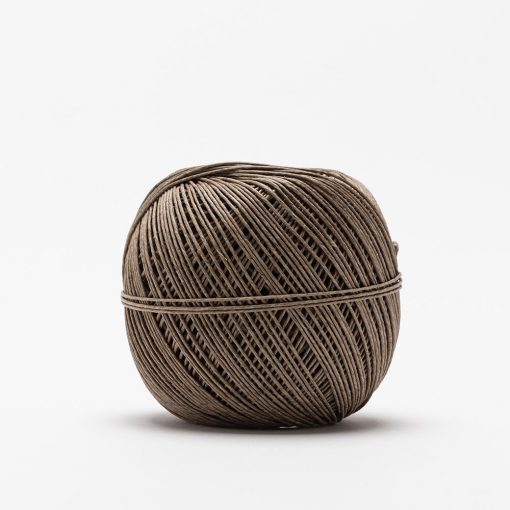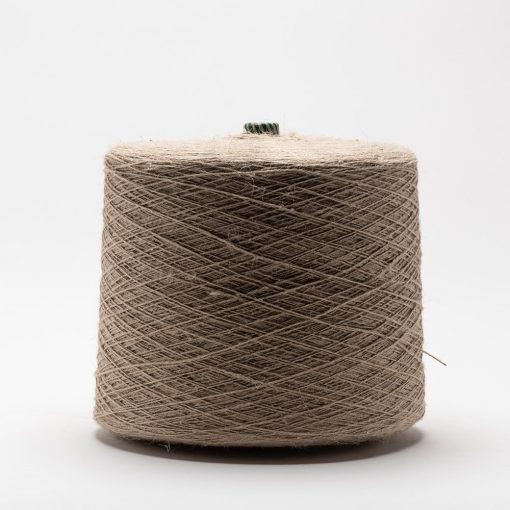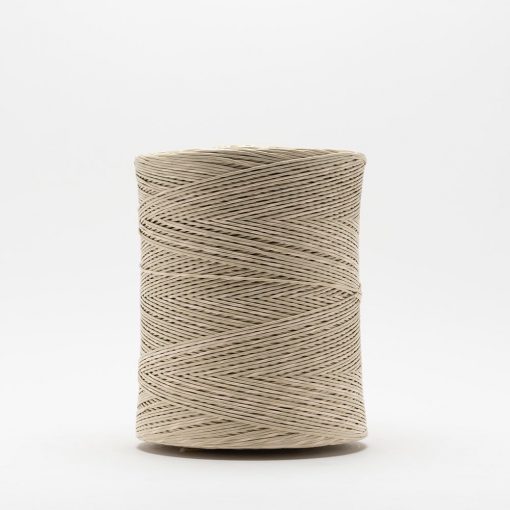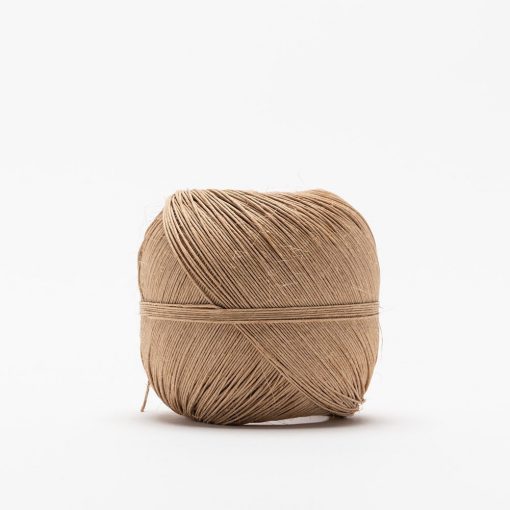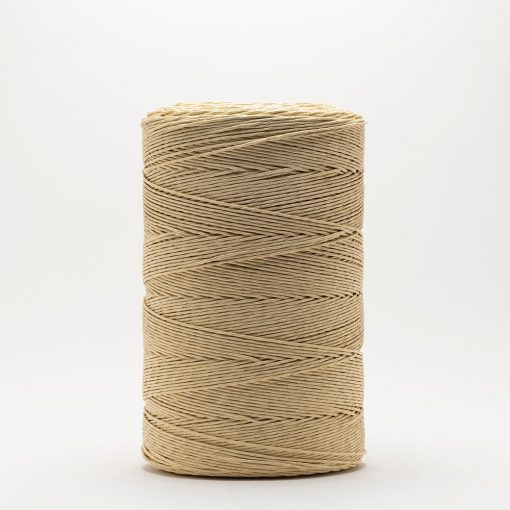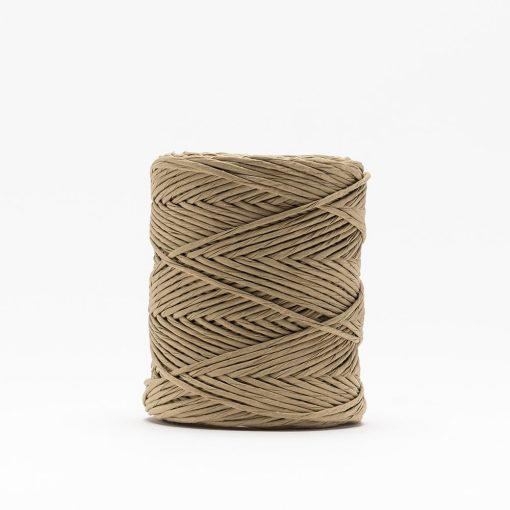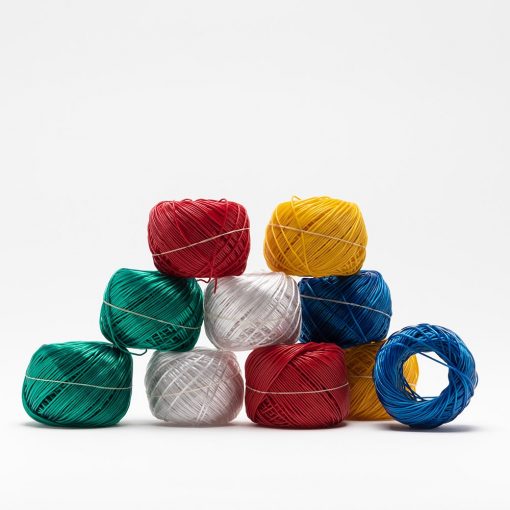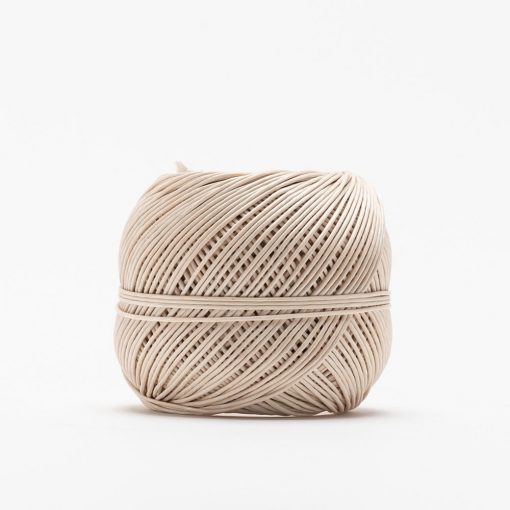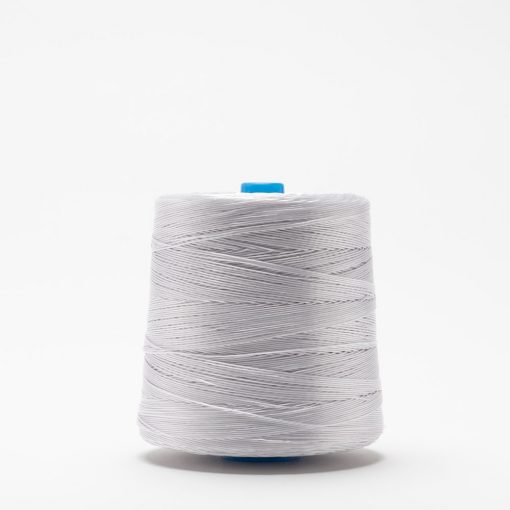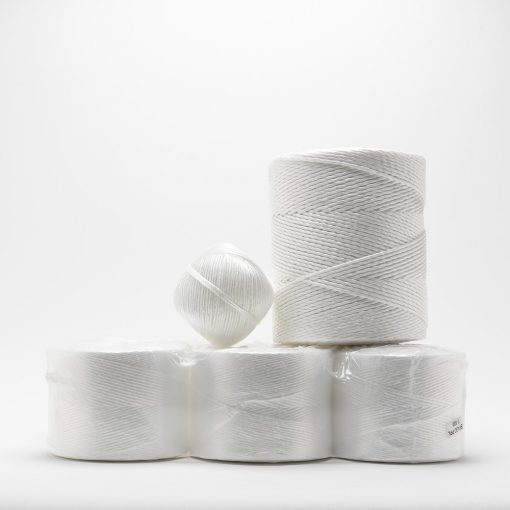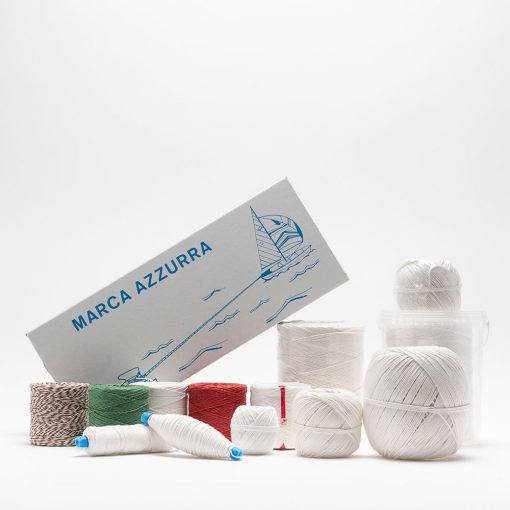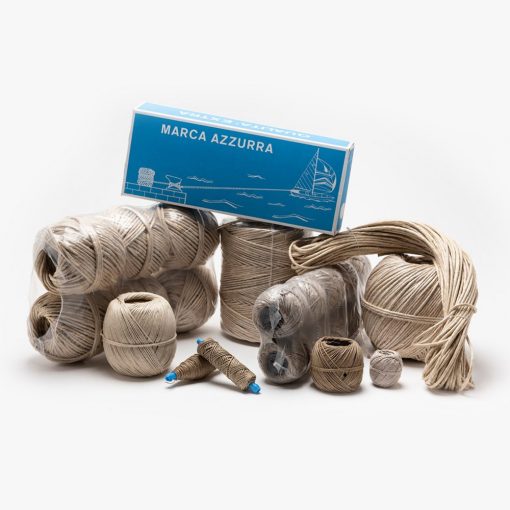

Twine is made by twisting and then polishing natural and synthetic fibre yarns. Polishing is a waxing process that makes the twine shinier and stiffer than twisted twine, which is softer, less smooth and more hairy. The main natural raw materials used include linen, cotton, ramie and rayon, while polyester and polypropylene are mainly used to make synthetic twine. Twine can be produced in various packages and weights. The main ones include: spools with and without tubes (or inner cores), balls, bobbins and skeins. Depending on the fibre used and the manufacturing and packaging procedure, twine can be produced for different uses and suitable for all types of sectors.
- All
- Agriculture
- Construction
- Fashion
- Food
- Hardware
- Large Distribution
- Nautical industry
- Packaging
- Special Twines
- Upholstery